Blog
/
Arizona Monsoon Damage: 10 Critical Steps to Protect Your Property After Heavy Rain, Flooding, or High Winds
Arizona Monsoon Damage: 10 Critical Steps to Protect Your Property After Heavy Rain, Flooding, or High Winds
•
9 min read
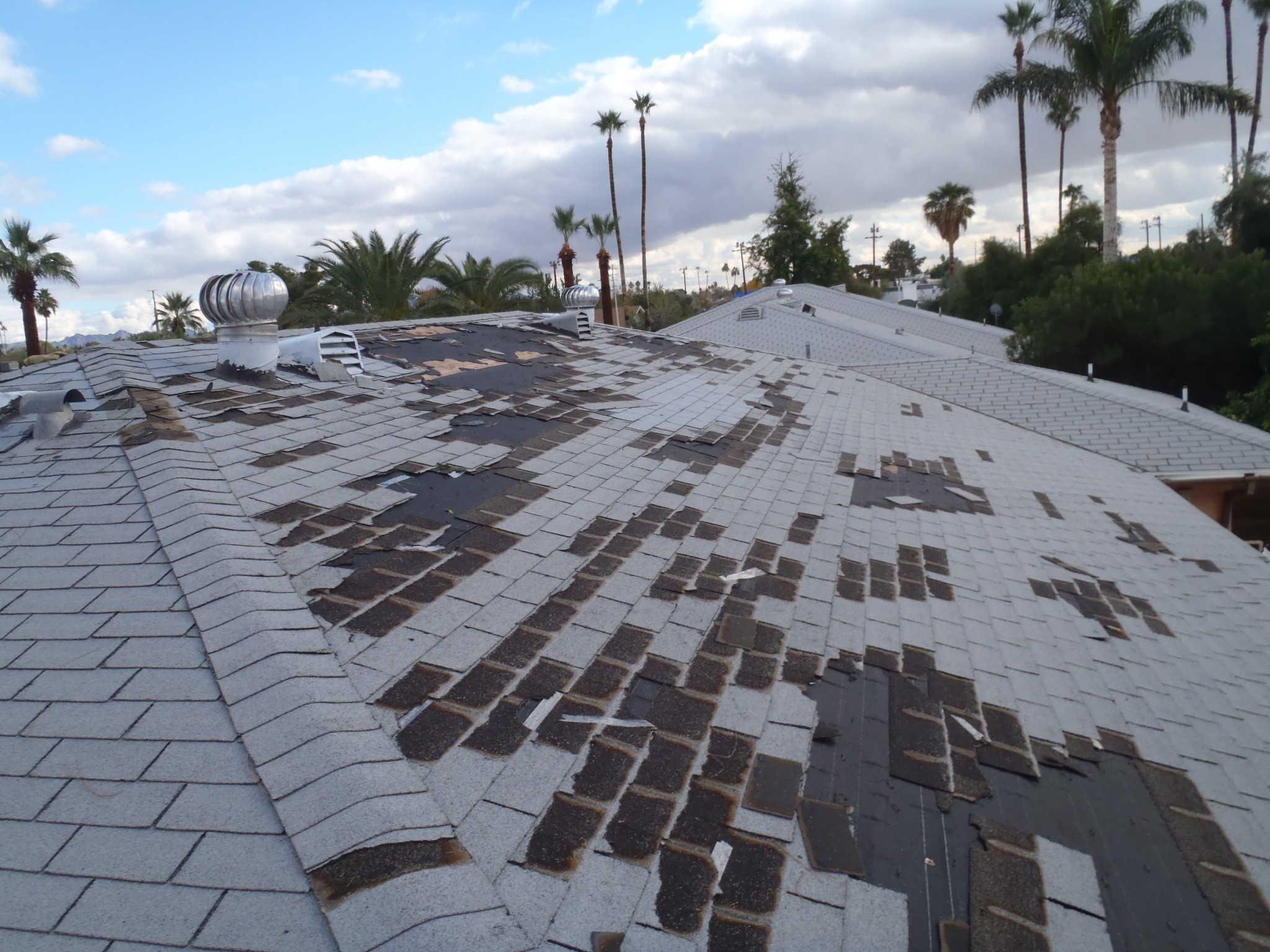
Arizona’s monsoon season can turn a normal afternoon into a costly emergency within minutes. High winds, torrential rain, flash flooding, hail, and flying debris can damage roofs, flood homes, break windows, and create hidden moisture that leads to mold growth long after the storm has passed.
The good news is that the actions you take during the first few hours can significantly reduce repair costs, prevent additional damage, and improve your insurance claim experience.
Whether you own a home, commercial building, or investment property, here’s what you should do immediately after a monsoon storm.
1. Put Safety First
Before inspecting your property, make sure it is safe to enter.
Avoid areas with:
Standing water near electrical outlets
Downed power lines
Sagging ceilings
Structural damage
Gas odors
Unstable trees or debris
If you suspect structural or electrical hazards, contact the appropriate emergency services before entering the building.
2. Document Everything
Take photos and videos before beginning cleanup.
Document:
Roof damage
Broken windows
Flooded rooms
Ceiling stains
Damaged flooring
Cabinets
Furniture
Electronics
Personal belongings
Exterior storm damage
Keeping detailed records can make the insurance claims process much smoother.
3. Stop Additional Damage
Many insurance policies require property owners to take reasonable steps to prevent further damage after a covered loss.
If it is safe to do so:
Place buckets beneath active leaks.
Move valuables away from water.
Cover furniture with plastic.
Shut off the water supply if plumbing has been damaged.
Remove standing water when possible.
These temporary measures can help reduce repair costs while protecting your property.
4. Check for Roof Leaks
Roof leaks are one of the most common problems following Arizona monsoon storms.
Signs include:
Water dripping from ceilings
Brown ceiling stains
Bubbling paint
Damp attic insulation
Water running down walls
Remember that the visible leak may not be directly below the point where water entered the roof. Water can travel several feet before becoming visible inside your home or business.
5. Consider Emergency Roof Tarping
If your roof has been damaged, temporary roof tarping can help prevent additional water intrusion until permanent repairs can be completed.
A professionally installed tarp can:
Protect interior finishes
Reduce structural damage
Help prevent mold growth
Buy time for insurance inspections
Protect your property during additional storms
While tarps are not permanent repairs, they are one of the most effective emergency stabilization measures available.
6. Don’t Ignore Hidden Water Damage
Water spreads much farther than most people realize.
Moisture can travel:
Behind drywall
Under flooring
Into insulation
Through cabinetry
Inside structural framing
Even when surfaces appear dry, hidden moisture may still be causing damage.
Professional moisture detection equipment helps identify areas that cannot be seen with the naked eye, allowing technicians to dry the property properly before more serious issues develop.
7. Act Quickly to Prevent Mold
One of the biggest risks after water intrusion is mold growth.
Moisture trapped inside walls, flooring, or insulation can create ideal conditions for mold to develop.
Warning signs include:
Musty odors
Warped flooring
Bubbling paint
Discoloration
Damp drywall
Increased allergy-like symptoms
Rapid water extraction and structural drying significantly reduce the likelihood of mold becoming a larger problem.
8. Understand Your Insurance Coverage
One of the first questions property owners ask after a storm is:
“Will my insurance cover this?”
Coverage depends on both the cause of the damage and the terms of your individual policy.
Storm-related damage caused by sudden events such as high winds, hail, or falling debris is often covered, while damage resulting from long-term neglect or deferred maintenance may not be.
Even if coverage is uncertain, don’t wait to protect your property. Taking reasonable steps to prevent additional damage is generally expected by insurance companies and can help preserve your claim.
9. Know What Professional Restoration Includes
Every storm damage project is unique, but most follow the same general process:
Emergency property inspection
Roof tarping or board-up services when needed
Water extraction
Moisture detection
Structural drying
Cleaning and sanitizing
Restoration and repairs
Using commercial-grade drying equipment and moisture monitoring helps ensure that hidden water is removed before repairs begin.
10. Know When to Call a Professional
While minor cleanup may be manageable, extensive storm damage often requires specialized equipment and experience.
Professional restoration is recommended if you experience:
Active roof leaks
Flooding
Water inside walls or ceilings
Structural damage
Persistent moisture
Mold concerns
Broken windows or doors requiring board-up services
Early intervention often reduces repair costs and helps prevent secondary damage.
Frequently Asked Questions
How quickly should storm damage be addressed?
Immediately. The sooner water extraction and drying begin, the lower the risk of structural damage and mold growth.
Can hidden water really cause damage?
Yes. Water frequently becomes trapped behind walls and beneath flooring, where it can continue damaging building materials long after visible water has disappeared.
Should I wait for the insurance adjuster?
No. Most insurance policies expect property owners to take reasonable steps to prevent additional damage after a loss. Temporary stabilization measures such as roof tarping or water extraction can often begin before permanent repairs are approved.
How long does the drying process take?
Every property is different, but many projects require several days of monitored structural drying before repairs can begin.
Protect Your Property Before Minor Damage Becomes Major Repairs
Arizona’s monsoon storms are unpredictable, but your response doesn’t have to be. Acting quickly after heavy rain, flooding, or high winds can minimize damage, reduce restoration costs, and help protect your property from long-term issues like mold and structural deterioration.
AZ Environmental Contracting Inc. provides fast, professional emergency response services throughout Arizona, including roof tarping, board-up services, water damage restoration, structural drying, mold remediation, and temporary property stabilization for residential and commercial properties.
If your property has been affected by a monsoon storm, don’t wait for the damage to get worse. Contact AZ Environmental Contracting Inc. today to schedule a professional inspection and get your property on the path to recovery.
Share this post


