Blog
/
What to Do When You Discover a Roof Leak
What to Do When You Discover a Roof Leak
•
3 min read
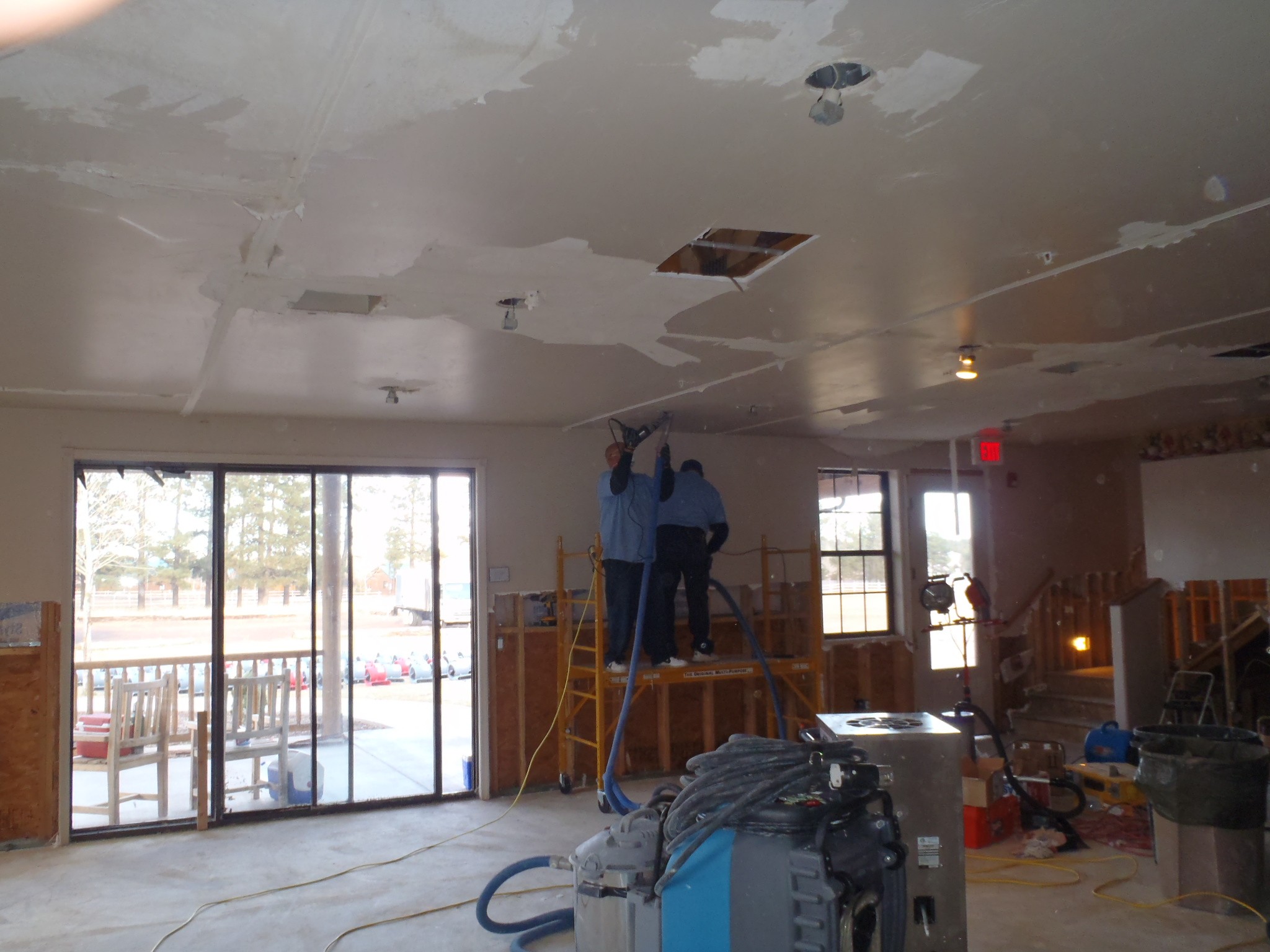
A roof leak can quickly turn from a minor inconvenience into a major property damage issue. Whether the leak is caused by a monsoon storm, high winds, fallen debris, or an aging roofing system, acting quickly can help minimize damage and protect your home or business.
In Arizona, sudden storms often reveal roofing problems that may have gone unnoticed during dry weather. One of the first questions property owners ask is:
"Will my insurance cover the damage?"
The answer depends on the cause of the leak and the terms of your insurance policy. While many policies provide coverage for sudden and accidental damage, they may not cover issues resulting from long-term wear, neglect, or lack of maintenance.
Does Insurance Cover Roof Leaks?
Insurance coverage is typically determined by two factors:
The cause of the roof failure.
The specific language in your insurance policy.
A qualified contractor can help identify the source of the leak, while your insurance provider or adjuster will determine whether the damage falls within your policy's coverage.
Common Causes That May Be Covered
Many policies provide coverage for unexpected events such as:
Severe windstorms
Hail damage
Wind-driven rain
Fallen tree limbs
Storm-related debris impacts
Vehicle collisions involving the structure
Other sudden and accidental events
Coverage varies by policy, so it is important to review your individual coverage with your insurance carrier.
Causes That May Have Limited or No Coverage
Some roof leaks result from conditions that develop over time, including:
Roofing systems that have exceeded their expected service life
Deferred maintenance or neglected repairs
Clogged drainage systems or accumulated debris
Previously known roofing issues
Damage caused by pests, rodents, birds, or insects
Long-term deterioration from normal wear and tear
Property owners are generally responsible for maintaining their roofing systems and addressing routine maintenance concerns before they develop into larger problems.
Immediate Steps to Take After Discovering a Leak
If water is actively entering your property:
1. Protect the Interior
Move furniture, electronics, and valuables away from affected areas whenever possible. Place containers beneath active leaks and use towels or plastic sheeting to help contain water.
2. Document the Damage
Take photographs and videos of:
The affected area
Water intrusion
Damaged ceilings, walls, flooring, or belongings
Any visible exterior damage
Documentation can be valuable when filing an insurance claim.
3. Stop Additional Water Intrusion
Temporary emergency measures can help prevent further damage until permanent repairs can be completed.
Emergency Roof Tarping
One of the most effective temporary solutions is professional roof tarping.
A properly installed tarp can help:
Reduce additional water intrusion
Protect interior finishes
Minimize damage to insulation and structural components
Provide time for inspections and insurance evaluations
Allow property owners to obtain repair estimates before committing to major work
While tarps are not permanent repairs, they can provide critical protection until roofing repairs or replacement can be scheduled.
Emergency Board-Up Services
Storms, accidents, vandalism, and break-ins can leave windows, doors, and other openings exposed.
Board-up services help:
Secure the property
Protect against weather exposure
Prevent unauthorized entry
Reduce the risk of additional damage
Improve occupant safety
Temporary protection is often necessary while replacement materials are being ordered or repairs are being scheduled.
Roof Safety Considerations
Working on a roof can be dangerous, particularly during or after severe weather.
Before attempting any temporary repairs:
Avoid roof work during storms or high winds.
Use ladders that are properly secured and inspected.
Stay clear of power lines and electrical hazards.
Never work alone.
Exercise caution around potentially weakened roof decking.
Be especially careful on tile roofs, which can become extremely slippery when wet.
Contact a qualified professional if you are uncertain about performing the work safely.
Property damage is stressful, but personal injury can be far more costly.
Understanding Water Damage Risks
The leak itself is often only part of the problem.
Water can spread through:
Drywall
Insulation
Flooring systems
Structural framing
Ceiling cavities
If moisture is not removed promptly, it can create conditions that support mold growth and cause extensive damage throughout the property.
Professional water mitigation services help identify hidden moisture, remove excess water, dry affected materials, and reduce the likelihood of long-term structural issues.
Why Fast Action Matters
The longer water remains inside a building, the more extensive the damage can become. Rapid response can help:
Reduce repair costs
Minimize business interruption
Protect personal property
Prevent mold development
Improve the chances of restoring affected materials
Many insurance policies also require property owners to take reasonable steps to prevent additional damage after a loss occurs.
How AZ Environmental Contracting Can Help
AZ Environmental Contracting provides emergency response services for residential and commercial properties throughout Arizona.
Our team can assist with:
Emergency roof tarping
Board-up services
Water damage mitigation
Structural drying
Mold remediation
Fire and smoke damage restoration
Temporary repairs and property stabilization
If you've discovered a roof leak or experienced storm-related property damage, contact AZ Environmental Contracting for a professional assessment and rapid response.
Share this post


